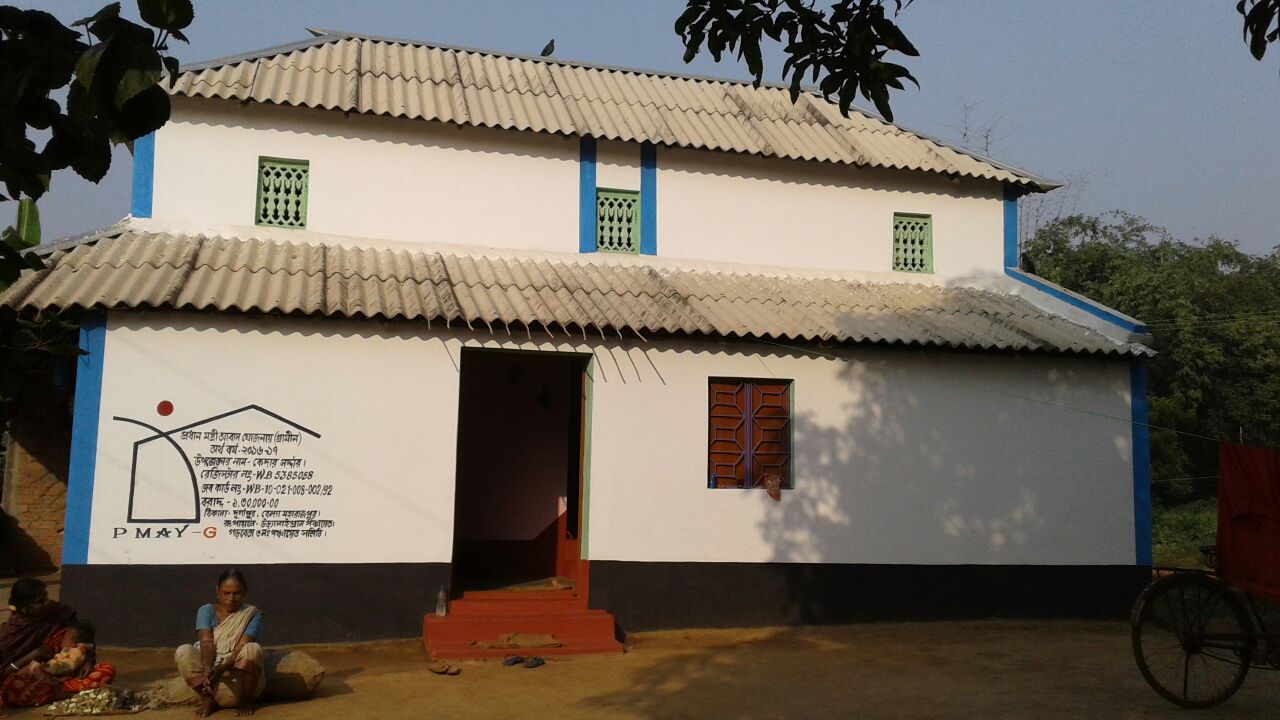
Fibre Cement Roof vs. Traditional Roofing: Which is Better?
Choosing the right roofing material is crucial, impacting your home’s structural integrity, energy efficiency, long-term costs, and appearance. This blog compares fibre cement roofing with traditional options like clay tiles and metal sheets, focusing on key differences in durability, maintenance, cost, environmental impact, and fire resistance to help you make an informed decision.
- Durability and Lifespan
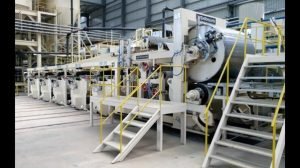
Fibre Cement Roofing: Made from cement, natural/manmade fibres, fly ash, and binding materials, fibre cement roofing offers excellent strength and durability. It’s highly resistant to weather, fire, and pests, with a lifespan of 30-45 years, providing long-term value for homeowners.
Traditional Roofing: Traditional roofing materials vary in durability depending on the type. For example:
- Clay tiles Last 50-100 years but are brittle and prone to cracking under impact.
- Metal sheets Last 15-20 years depending on the gauge, but are prone to rust at bolt points, leading to leaks, and their color fades over time.
- Maintenance Requirements
Fibre Cement Roofing: Fibre cement roofs require zero maintenance, as they don’t corrode, warp, or attract pests.
Traditional Roofing: Clay tiles need frequent maintenance due to cracking or shifting, while metal roofs are prone to rust and can be damaged or displaced during cyclones.
- Cost and Installation
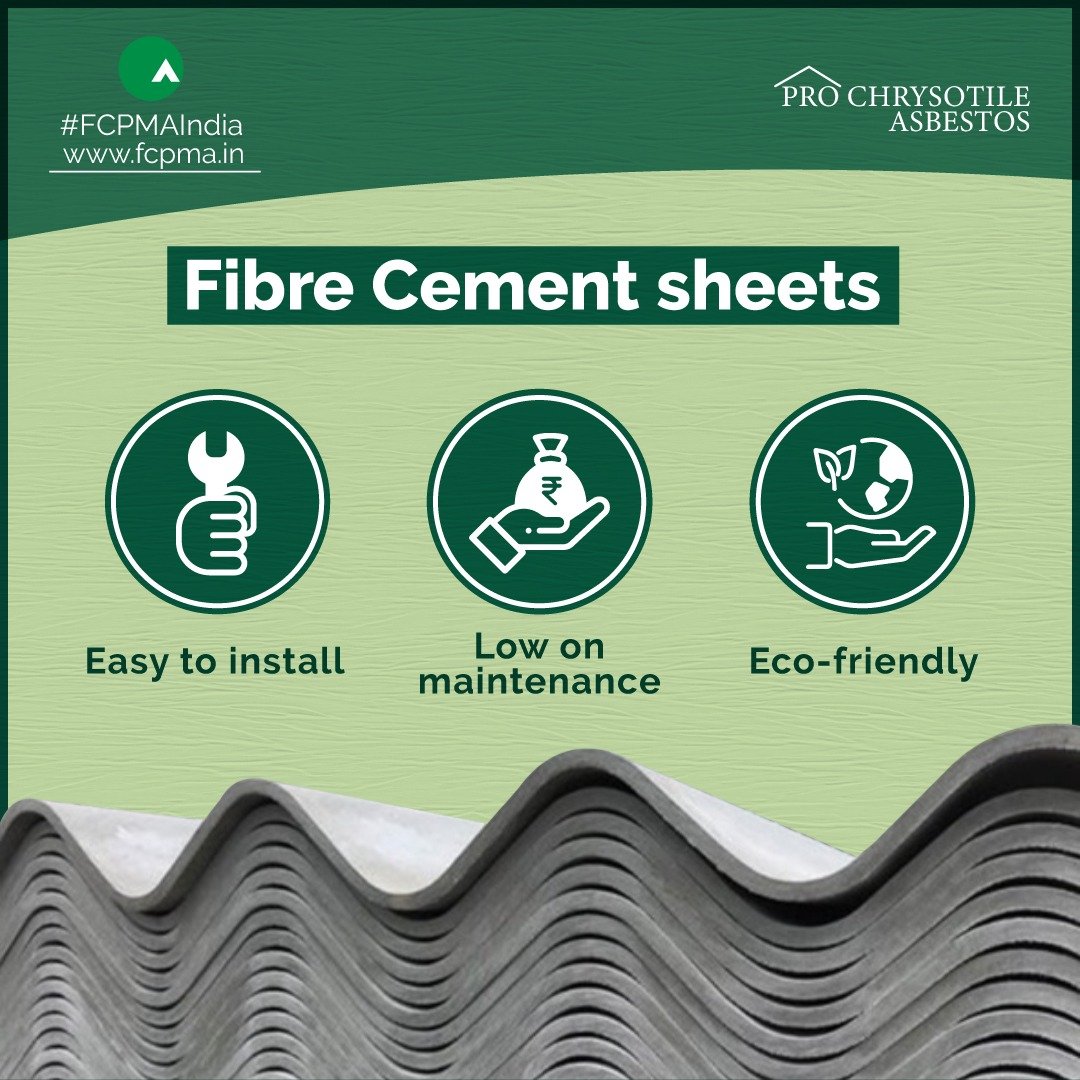
Fibre Cement Roofing: Easy and cost-effective to install, fibre cement roofing helps reduce overall expenses compared to traditional materials.
Traditional Roofing: Traditional roofing materials Clay tiles and metal roofs are slightly expensive to install. Clay tiles are heavy and requiring reinforced roofing structures.
- Environmental Impact
Fibre Cement Roofing: Made with recycled fly ash, fibre cement roofing is eco-friendly, durable, and requires fewer replacements, reducing material waste. Its good insulation properties also help lower energy use for heating and cooling
Traditional Roofing: Traditional roofing varies in environmental impact. Clay tiles have high energy consumption during manufacturing, while metal roofs are recyclable but require more energy to produce.
5.Weather Resistance
Fibre Cement Roofing: Fibre Cement Roofing: Fibre cement roofs are extremely durable, resistant to heavy rain, high winds, hail, and fire. They perform well in both hot and cold climates, making them ideal for extreme weather.
Traditional Roofing:
- Clay tiles are excellent for hot, dry climates but may crack in freezing temperatures or under heavy impact.
- Metal roofs can blow off during storm, can be noisy during rain or hail unless properly insulated. Also, very poor in heat insulation.
- Fire Resistance
Fibre Cement Roofing: Fibre cement roofs come with a Class A fire rating, the highest level of fire resistance. This ensures superior protection, as they are designed to withstand severe fire exposure without igniting, making them a safe and reliable choice for your home.
Traditional Roofing: Fire resistance varies among traditional roofing materials. Asphalt shingles have limited fire resistance unless treated, while metal and clay roofs offer good protection against fire.
Conclusion: Which is Better?
When comparing fibre cement roofing to traditional roofing, it’s clear that fibre cement roofs offer several advantages, particularly in terms of durability, maintenance, weather resistance, and fire protection over traditional roof.