adminfcpma No Comments

How to fix Fibre Cement Corrugated Sheet on Sloping Roof

How to fix Fibre Cement Corrugated Sheet on Sloping Roof

Sloping roofs paired with fibre cement sheets offer exceptional strength, durability, and water repellency. These roofing systems protect against harsh weather, ensuring a leak-free environment.

Installation is Key: Proper installation is essential to secure sheets, ensure correct overlap, and withstand wind and rain. Follow best practices to maximize the benefits of this durable roofing solution.

Materials & Tools Needed:

  • Corrugated Fibre Cement Roofing Sheets
  • Roofing nails/screws with rubber washers
  • Drill, measuring tape, ladder- Cat ladder or Safety ladder
  • Safety gears
  • Ridge caps, flashing, sealant
  • Safety nett

Laying

  1. Preparation:
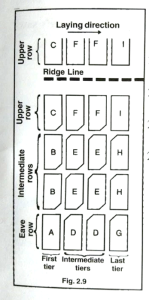
  • Inspect Roof Structure: Inspect Roof Structure: Check purlin spacing, sheet length, and ensure proper alignment with a minimum 150 mm end lap, 40 mm side lap and appropriate overhang.
  1. Sheet Arrangement:
  • Starting Point: Begin at the bottom left corner, aligning the first sheet with the purlin, smooth side out.
  • End & Side Laps: Maintain a 150 mm end lap and at least 1/2 corrugation side lap for effective drainage.
  1. Laying and Fixing Sheets:
  • First Sheet: Place with downward corrugation on the left, upward on the right.
  • Next Sheets: Overlap properly, ensuring mitred corners fit securely.
 

fibre cement roofing sheet


      4. Ridge and Eaves:

  • Ridge Sheets: Fit correctly to prevent leaks.
  • Eaves Overhang: Keep overhang within 300 mm to avoid stress.
  1. Fixing Sheets and Bolting
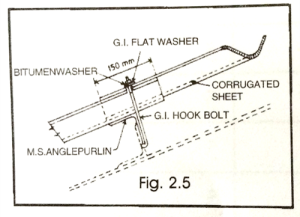
  • Drilling Holes: Drill 10 mm holes on corrugation crowns, using 8 mm hook bolts.
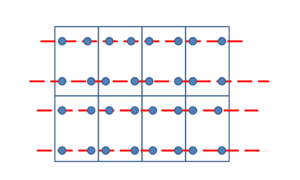
  • Bolt Placement: Bolt Should be placed adjacent to side laps on every purlin. Overtightening of bolts should be avoided which leads to crack development in the summer season
 

  1. Mitring and Cutting:
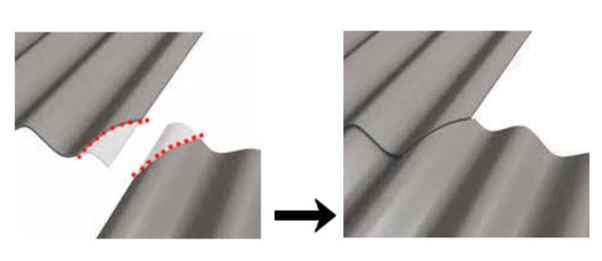
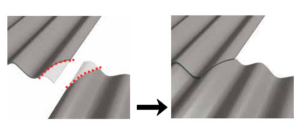
  • Cutting Sheets: Use a carpenter’s saw, ensuring clean cuts. Dimension of mitring- 150 mmx 40 mm.
  • Mitring Corners: Mitre intermediate sheets at lap joints for a snug fit.
 

  1. Final Checks and Adjustments:
  • Check Alignment: Regularly check the alignment of sheets to ensure they remain straight.
  1. Points to remember while fixing of sheets
  • Smooth surface of the sheet should be upwards.
  • Never punch holes – drill them.
  • Drill holes in sheets – at least 2 mm larger than fixing bolts.
  • Be sure sheets are mitred by cutting with a saw.
  • Nuts should be screwed lightly first and tightened only after 13 or 14 sheets are laid.
  • Tighten the nuts evenly allowing the bitumen washer to merely seal the space between the holes and bolts.
  • overtighten the nuts. Allow for the movement of structure.
  • Don’t exceed purlin spacing of 1.4 metres for roofing and 1.7 metres for side claddings.
  • Provide a purlin at every end.
  • Don’t exceed free overhang of 300 mm at eaves.
  • Slope of the roof not less than 18 degrees.
  • Proper cross ventilation to be maintain in the room to minimise condensation effect in the rainy season.
  • Wherever four corners of sheets overlap, the intermediate two Sheets must be mitred in order to secure a perfect fit. The length and breadth of mitre should be equal to the length of the end lap and the breadth of the side lap of the roofing sheets.
  • If mitring is not done, staggered fixing method to be adopted.

By following these steps and incorporating best practices, you can ensure a secure and durable installation of fibre cement corrugated roofing sheets.


adminfcpma No Comments

WHY CHOOSE FIBRE CEMENT SHEET FOR YOUR SLOPING ROOF?

Have you ever considered why roof designs vary worldwide? Roofs primarily protect inhabitants from different weather conditions, leading to regional variations in design. In snowy regions, roofs are crafted to shed snow efficiently, while in hot climates, they focus on minimizing heat absorption.

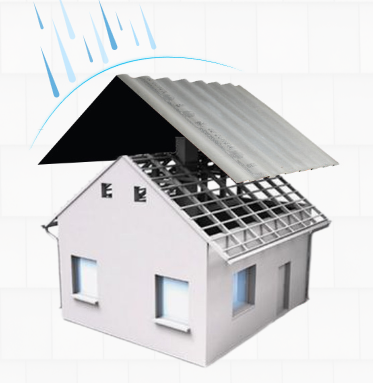
Pitched roofs are designed to effectively shed heavy snowfall and monsoon rains, preventing water and snow build-up, which can lead to leaks and structural damage. The slope of pitched roofs also enhances ventilation and thermal insulation, helping to keep homes cooler during hot summers and warmer in cold winters. Beyond their functional advantages, pitched roofs are a traditional architectural feature in India, adding aesthetic charm and cultural significance. They reflect a blend of heritage and practicality in residential design.

What is a sloping roof or Pitched roof?

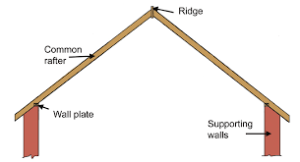
Pitched roof or sloping roof is one that has an angle of inclination greater than 10° with respect to horizontal.


SLOPING ROOF


Why Cement Sheet Is Right Choice?

Dead Weight: – 

Fibre cement roofing sheet have dead weight around 11-13kg compare to other roofing material. Dead weight of a cement roof ensures it remains securely in place during heavy rain and strong winds. This inherent stability makes cement roofs ideal for pitched structures, as they are less likely to be lifted or displaced by severe weather conditions.

Weather Resistant: –

A pitched roof with a cement sheet covering offers exceptional weather resistance, thanks to its natural slope that facilitates efficient water runoff. Additionally, many cement roof comes with a special water-resistant coating, ensuring superior protection against leaks and water damage. They are also resistant to rot, fungi, and termites, making them a long-lasting roofing option. This combination of design and material makes it an ideal choice for enduring harsh weather conditions while maintaining structural integrity and longevity.

Aesthetic Flexibility: –

Your home’s visual appeal can be enhanced by adding a designer ceiling, which is made possible by a sloped roof. Many roofing systems offer a seamless integration of style and functionality with built-in hardwood designer ceilings. Through this combination, homeowners can enhance their interior spaces with a hint of elegance and character while reaping the benefits of a pitched roof.

Zero Maintenance: –

A pitched roof with cement sheets requires zero maintenance, thanks to its durable materials and efficient design. The natural slope ensures effective water runoff, while the robust cement sheets resist weathering, pests, and fire. This combination not only enhances the roof’s longevity but also minimizes the need for maintenance.

Cost Effective: –

Cost of cement sheet is low compare to other alternative roofing material.  Also this sheets are known for their long lifespan and resistance to weathering, pests, and fire, reducing the need for replacements.  This all properties making cement roof a practical choice for homeowners looking to maximize value and longevity in their roofing investment.

Conclusion

Fibre cement roofs are an excellent choice for pitched roofs due to their durability, weather resistance, fire safety, cost-effectiveness, and environmental benefits. They offer long-term reliability and protection, making them a practical and sustainable roofing solution for both residential and commercial buildings. Choosing a fibre cement roof ensures that you get a robust, low-maintenance, and aesthetically pleasing roof that stands the test of time.