

Sustainable Roofing: The Environmental Benefits of Fibre Cement Sheets
When constructing a house or building, roofing is a crucial element that greatly affects the overall sustainability and environmental footprint of the structure. Selecting the right roofing solution is vital for enhancing energy efficiency, minimizing waste, and promoting a healthier environment.
Understanding Fibre Cement Roofing Sheets
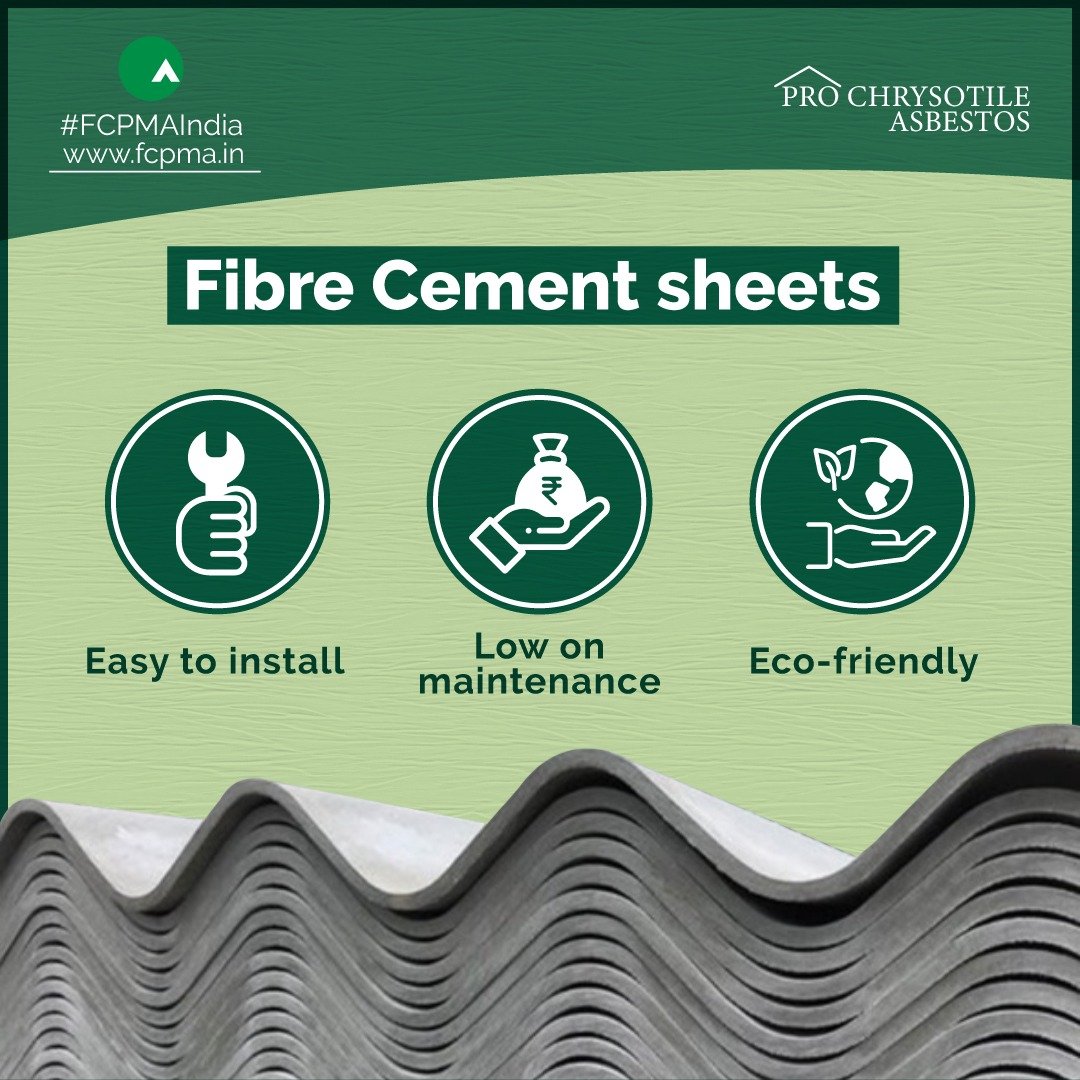
Fibre cement sheet is a composite material made from cement, chrysotile fibre, fly ash, and other components. This combination creates a robust and resilient product suitable for diverse roofing applications.
Environmental Benefits
- Incorporation of Fly Ash
- Waste Diversion: Fly ash, a byproduct of coal combustion in thermal power plants, consists mainly of silicon dioxide, aluminium oxide, and calcium oxide. Historically, fly ash was disposed of in landfills, causing environmental pollution. Utilizing fly ash in fibre cement roofing diverts significant amounts of waste from landfills, supporting circular economy principles by promoting efficient resource use and reducing dependency on raw materials.
- Regulatory Support: The Ministry of Environment, Forest and Climate Change permits the use of fly ash in cement products, promoting sustainable development.
- Longevity and Durability
Fibre cement roofs are known for their exceptional longevity and durability, often lasting up to 50 years or more. A longer lifespan means fewer replacements over time, conserving resources and reducing waste.
- Energy Efficiency
The thermal properties of fibre cement roofing help maintain indoor temperatures. With a good Solar Reflectance Index (SRI) value, these roofs reflect solar radiation away from the building, reducing the need for heating and cooling, lowering energy consumption, and reducing greenhouse gas emissions.
- Sustainable Manufacturing
Fibre cement roofs are manufactured using sustainable practices, including energy-efficient manufacturing processes, recycled materials, and local vendor sourcing to reduce transportation emissions.
Fibre cement products require only one-fourth to one-sixth of the energy compared to metal sheets and pipes, resulting in lower greenhouse gas emissions and a smaller carbon footprint.
- Zero Maintenance
Once properly installed, fibre cement roofs require no maintenance. They are resistant to rot, pests, and harsh weather conditions, saving repair costs and reducing the environmental impact associated with ongoing upkeep.
Conclusion
Choosing fibre sheets for roofing is a significant step toward sustainable building practices. Its durability, low maintenance, energy efficiency, recyclability, and sustainable manufacturing processes make it an eco-friendly option that benefits both the environment and users. By opting for modern fibre cement roofing, you are investing in a high-quality, long-lasting roof and contributing to a more sustainable future.