adminfcpma No Comments

How Long Does Chrysotile Asbestos Fibre Remain in the Air?

How Long Does Chrysotile Asbestos Fibre Remain in the Air?

Understanding the Behaviour, Safety, and Scientific Truth

Asbestos has long been a subject of public concern, especially when it comes to health risks associated with its fibres. Among various types of asbestos, chrysotile, or “white asbestos,” has been widely used in fibre cement roofing sheets and pipes.

However, modern scientific research confirms a very important fact:
1) Chrysotile fibres, when used in fibre cement products, do not pose a health hazard.
2) Even if fibres are released, they behave differently  physico-chemically from raw asbestos fibres and do not remain harmful.

This blog explains — based on strong scientific evidence — why living or working under a fibre cement roof is completely safe.

How Long Does Chrysotile Asbestos Remain in the Air?

When raw chrysotile asbestos fibres are disturbed in laboratory conditions, they can remain suspended in the air for hours to even days, especially if there is little ventilation.

🔬 Studies show:

  • Small chrysotile fibres (<5 microns) can remain airborne for several hours if undisturbed (Cherrie et al., 2015).
  • However, in real-world settings, such as buildings with fibre cement roofing, chrysotile fibres are bonded within the cement matrix, not freely floating in the air.

✅ Therefore, under normal use (installation, occupancy, weather exposure), there is no release of free asbestos fibres into the breathing environment.

Fibre Cement Sheets: Why No Risk?

Modern fibre cement products are manufactured at high temperatures and pressures. During this process:

  • Fibres are locked into the hardened cement matrix.
  • The manufacturing process and the other raw materials change the surface structure, chemical composition, and crystal form of a fibre.

🔬 According to Dr. F.D. Pooley (2004):

“Asbestos fibres locked into high-density products like asbestos-cement have been rendered safe by the attendant chemical process. Chrysotile fibres have been so altered chemically and structurally that it is no longer justifiable that they should continue to be defined as chrysotile.”

✅ Conclusion:
The fibres no longer behave like dangerous asbestos fibres and cannot become airborne easily.

What Happens if Fibre Release Occurs?

In rare cases where aging or mechanical action might release tiny particles from old fibre cement sheets:

  • The fibres are already chemically and structurally changed.
  • They have different surface characteristics and lower biological activity.

🔬 As per Prof. L. Elovskaya (1992):

“Fibres emitted from asbestos cement products during their handling are significantly different. Their surface characteristics, composition, and crystal structure all change, meaning that such emissions, if any, do not pose any health risk.”

✅ Even if fibres were released, as they are coated with cement, they do not behave like pure asbestos fibres.

Clearance from the Body: Fast and Safe

In laboratory animal studies conducted by Dr. David M. Bernstein and colleagues:

  • Inhaled chrysotile fibres clear from the lungs within 3 to 11 days.
  • Chrysotile has a very short biopersistence compared to other types of asbestos.

This rapid clearance prevents accumulation and prevents chronic diseases like asbestosis or mesothelioma under normal exposure levels.

✅ Conclusion:
Even if some chrysotile fibres were inhaled, the body naturally clears them quickly, preventing burden on lungs.

Exposure Studies: Real-World Proof of Safety

🔬 According to Prof. J.A. Hoskins and J.H. Lang (2004):

  • Over 200 studies showed that handling, installing, or living around fibre cement sheets containing chrysotile presents no measurable risk to health.
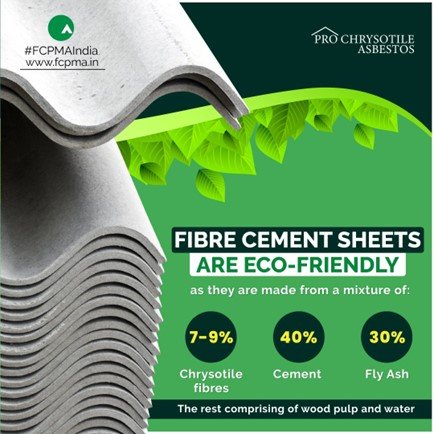
  • The chrysotile content in fibre cement products is also low (only 7–9%), further reducing any risk.

“Exposure to any chrysotile fibres, if released during the use and handling of high-density asbestos cement products, presents no measurable risk to health.”

✅ Conclusion:
Scientific consensus agrees:
There is no risk to health from living or working around fibre cement roofing sheets.

Final Conclusion: Living Under Fibre Cement Roofs is Safe

Chrysotile asbestos fibres are locked in the cement matrix during manufacturing.
Even if released, fibres are chemically altered and biologically inert.
Inhaled fibres, if any, clear rapidly from the lungs.
Real-world exposure studies show no measurable health risk.

Thus, fibre cement products manufactured with chrysotile asbestos are safe for everyday living, working, and building.
There is no health hazard associated with these modern building materials when they are properly manufactured and used.
adminfcpma No Comments

The Safety of Workers in the Indian Asbestos Fibre Cement Roof Manufacturing Industry

The Safety of Workers in the Indian Asbestos Fibre Cement Roof Manufacturing Industry

Introduction

The manufacturing of asbestos fibre cement roofing sheets has long been a topic of discussion regarding worker safety. However, with new technologies, strict government regulations, and pollution control measures, the industry in India has evolved into a safe working environment. Reports from reputed institutions like the National Institute of Occupational Health (NIOH) and the Central Labour Institute confirm that there are no adverse health effects on workers in this industry.

Understanding Asbestos in Fibre Cement Roofing

Asbestos is a naturally occurring mineral used in construction, automotive, and industrial applications for its durability, fire resistance, and insulation properties. The specific type used in world is, chrysotile asbestos, has been studied extensively, and results show that under controlled working conditions, it does not pose health risks to workers or end-users.

Government Regulations & Worker Safety

The Government of India has implemented stringent guidelines and safety protocols to ensure that the working environment in asbestos fibre cement manufacturing facilities remains completely safe. Some of these measures include:

Pollution Control Systems – Advanced dust suppression and air filtration technologies are used to prevent asbestos exposure.

Regular Health Monitoring – Workers undergo periodic medical check-ups to detect any potential health issues early.

Strict Compliance with Safety Standards – Manufacturing plants must adhere to State Pollution Control Board and Ministry of Environment, Forests & Climate Change guidelines.

Personal Protective Equipment (PPE) – Workers are provided with specialized safety gear to further minimize exposure risks.

Government Approvals for New Units – The Ministry of Environment, Govt. of India evaluates environmental factors before granting approval for setting up new manufacturing units, ensuring compliance with safety and pollution control measures.

Scientific Studies Proving Worker Safety

Several landmark studies have confirmed the safety of workers in Indian asbestos fibre cement manufacturing plants:

🔹 NIOH Report Findings – Decades of research show that workers in this industry have not experienced any adverse health effects due to the use of proper pollution control measures.

🔹 2004/05 Central Labour Institute Study – A study involving 702 workers exposed to asbestos for 6 to over 20 years found zero cases of asbestos related diseases.

Advanced Technology Ensuring Zero Exposure

New technologies in asbestos fibre cement manufacturing have eliminated airborne asbestos fibres, making the industry completely safe:

🔹 Closed System Manufacturing – Ensures no airborne asbestos escapes into the environment.

🔹 Wet Processing Technology – Reduces fibre release by keeping asbestos fibres mixed with water during production.

🔹 High-Efficiency Filtration Systems – Capture any residual dust, ensuring a clean working atmosphere.

🔹 Automated Handling Systems – Reduce manual contact with raw materials, further minimizing risks.

Conclusion

With modern technology, strict government oversight, and scientific studies proving safety, the asbestos fibre cement roofing industry in India ensures a completely risk-free working environment. Workers are fully protected by advanced pollution control systems, health monitoring programs, and stringent safety standards. The latest research confirms that there is no health hazard when regulations are followed.

Thus, Indian asbestos fibre cement roofing manufacturing continues to be a trusted, regulated, and safe sector that provides durable and cost-effective roofing solutions without compromising worker safety.


adminfcpma No Comments

How Fibre Cement Roofing Contributes to the Indian Economy

How Fibre Cement Roofing Contributes to the Indian Economy

Fibre cement roofing, a widely used building material in India, plays a significant role in the country’s economic landscape. Its impact extends across multiple sectors, including employment, industrial growth, rural development, infrastructure, and sustainability.

This blog explores the various ways in which fibre cement roofing contributes to the Indian economy, making it a vital component in the nation’s construction industry.

  1. Job Creation and Employment

Fibre cement roofing significantly boosts the Indian economy by creating jobs. With an industry size of INR 8,000 crore+, it provides direct and indirect employment to over 300,000+ people across various sectors. This robust job market is essential for supporting livelihoods and enhancing the well-being of communities throughout India.

fcpma job creation


     2. Support for the Construction Industry

Construction sector is a vital pillar of India’s economy and fibre cement roofing is a key material used in a wide range of building projects. Whether it’s home, commercial buildings or complex, large scale-infrastructure, resorts etc, fibre cement roofing sheet used everywhere and it offers numerous advantages:

  • Affordability: Fibre cement roofing sheets are cost-effective compared to metal, clay tiles, and concrete, addressing the housing needs of India’s growing population, particularly in rural and low-income areas.
  • Durability: They are resistant to fire, water, pests, and impact, requiring no maintenance, which saves costs for homeowners and developers.

Versatility: Suitable for both sloped and flat roofs, as well as compound walls, ensuring consistent demand across various construction projects.

fcpma rural

  1. Boost to Rural Development

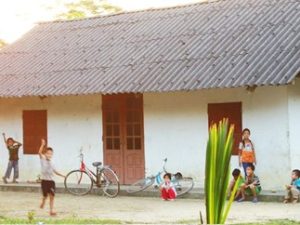
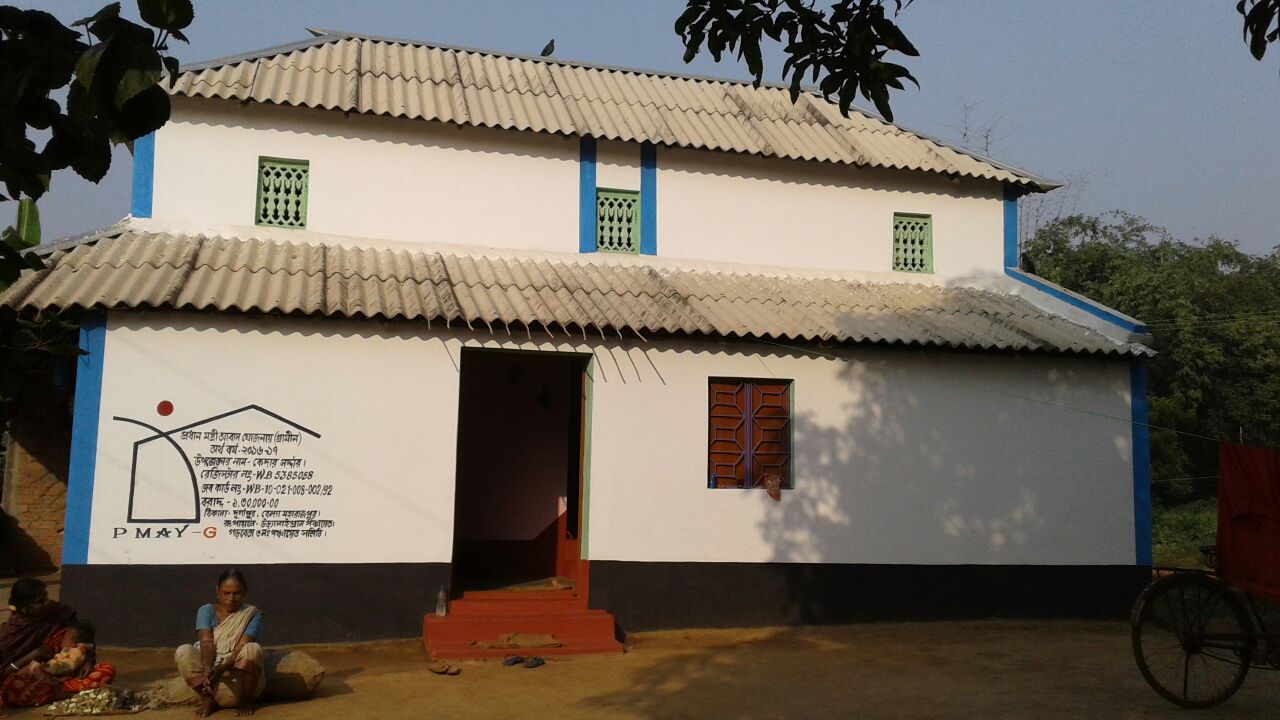
Fibre cement roofing is a popular choice in rural India for affordable homes, poultry shelters, animal shelters, and community buildings. Its affordability, durability, and ease of installation make it well-suited to regions with limited access to resources.

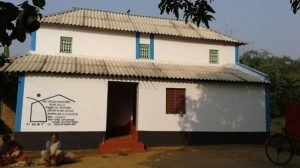
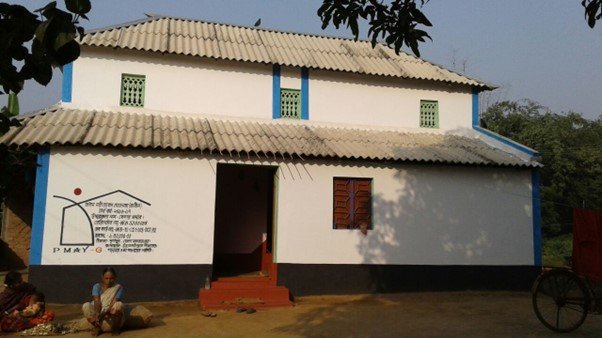
  • Affordable Housing Solutions: It plays a crucial role in programs like Pradhan Mantri Awas Yojana (PMAY), helping meet rural housing demand and improving living standards for millions.
  • Agricultural Infrastructure: Widely used for cattle sheds and storage units, fibre cement roofing protects crops and livestock. Its ventilation capabilities enhance airflow while providing insulation and soundproofing.

Community Infrastructure: Fibre cement roofing is commonly used in schools, hospitals, and community centers, supporting rural growth and enhancing the quality of life.

Pradhan Mantri Awas Yojana (PMAY)

(https://prd.wb.gov.in/img/PMAYGinner2.jpeg)


  • 4. Growth of the Manufacturing Sector

India is one of the world’s largest producers of fibre cement products. The manufacturing of fibre cement roofing sheets supports the growth of the cement and building materials industries, further enhancing their contribution to the economy.

  • Raw Material Demand: The production of fibre cement sheets requires substantial amounts of cement, sand, fly ash, and fibres, boosting demand and supporting related industries.
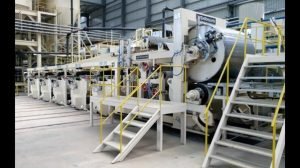
  • Technological Advancements: The fibre cement industry in India is advancing with technological innovations, including automation, that enhance production efficiency and product quality. Making the industry more competitive and facilitating exports to neighboring countries.
  • Energy Efficient: – Producing a Fibre Cement (FC) sheet consumes only 2 to 4 kWh per square meter, significantly lower than the 20 to 35 kWh required for a steel sheet. This stark difference in energy usage highlights how FC sheets contribute to energy conservation. By opting for FC sheets, we can help the country become more energy-efficient, reducing overall consumption and supporting sustainable development.

As the fibre cement roofing industry expands and modernizes, it strengthens India’s manufacturing base and boosts the country’s industrial output.

fibre cement roof manufacturing


  1. Government Initiatives and Policy Support

The Indian government has recognized the role of the building materials sector, including fibre cement roofing, in driving economic progress. Several government initiatives and policies have supported the growth of the fibre cement industry:

  • Affordable Housing Schemes: Government initiatives like PMAY have increased the demand for low-cost, durable roofing solutions, providing a boost to the fibre cement sector.
  • Smart Cities Mission: This initiative focuses on sustainable and energy-efficient urban development, positioning fibre cement roofing as a key player in these projects.
  • Infrastructure Development: Investment in infrastructure continues to fuel demand for fibre cement products in industrial and commercial projects, benefiting from the expanded construction activities.

smart cities mission

Conclusion

Fibre cement roofing is a cornerstone of the Indian economy, driving job creation, supporting the construction industry, and advancing rural development. Known for its affordability, durability, and versatility, it is a vital material in India’s infrastructure growth. With the country’s focus on sustainable development and affordable housing, fibre cement roofing will continue to play a crucial role in the nation’s economic progress.


adminfcpma No Comments

How Chrysotile Fibre Cement Roofing Contributes to Structural Integrity and Safety?

How Chrysotile Fibre Cement Roofing Contributes to Structural Integrity and Safety?

What is Chrysotile Fibre?

Chrysotile fibre is a type of asbestos from the serpentine mineral group, it’s a naturally occurring mineral known for its heat resistance, low thermal conductivity, durability, and cost-effectiveness. The most common use for chrysotile fibre is within corrugated cement roof sheet and cement pipes etc.

Chrysotile fibre cement roofing has been used for its strength and durability, contributing to both structural integrity and safety in several ways:

  1. High Tensile Strength:
  • Chrysotile fibre consisting of magnesium silicate has a unique crystalline structure where silicon-oxygen tetrahedra are interconnected by magnesium ions. This formation creates a strong and stable lattice, giving the fibres exceptional tensile strength and flexibility. This strength is a key factor in the durability of roofing sheets, making them resistant to cracking, breaking, or deforming under stress, thereby maintaining long-lasting structural integrity.
  1. Fire Resistance:
  • Chrysotile fibre’s fire resistance is attributed to its high melting point and inorganic nature, which prevent it from igniting or burning when exposed to heat. Its stable crystalline structure ensures that the fibres remain intact even under extreme temperatures, making it highly effective for fireproofing and insulation. This fire-resistant quality minimizes the risk of roof ignition during external fires, thereby safeguarding the structure and its occupants.
  1. Weather Resistance:
  • Chrysotile fibre is weather resistant due to its chemical stability, non-porous nature, and resistance to UV radiation. These properties prevent degradation from moisture, sunlight, and other environmental factors. Additionally, its flexibility and strength enable it to withstand temperature fluctuations and weather-related stresses, making it durable in outdoor applications. This resilience helps the roof retain its structural integrity over time, minimizing deterioration or weakening caused by the elements.
  1. Insulation Properties:
  • Chrysotile fibre is renowned for its insulation properties due to its low thermal conductivity and high heat resistance. The fibrous structure of chrysotile creates a network that traps air, which effectively reduces heat transfer, making it an excellent thermal insulator. Additionally, its dense, flexible nature helps in sound absorption, providing good acoustic insulation. These properties make chrysotile effective in maintaining temperature and reducing noise, enhancing comfort in buildings.
  1. Cost-Effective:
  • The long lifespan and durability of chrysotile fibre cement roofing make it a cost-effective solution, providing safety and structural integrity without frequent investment in repairs or replacements.

By combining strength, fire resistance, weather resistance, and longevity, chrysotile fibre cement roofing significantly contributes to the structural integrity and safety of buildings.

adminfcpma No Comments

WHY CHOOSE FIBRE CEMENT SHEET FOR YOUR SLOPING ROOF?

Have you ever considered why roof designs vary worldwide? Roofs primarily protect inhabitants from different weather conditions, leading to regional variations in design. In snowy regions, roofs are crafted to shed snow efficiently, while in hot climates, they focus on minimizing heat absorption.

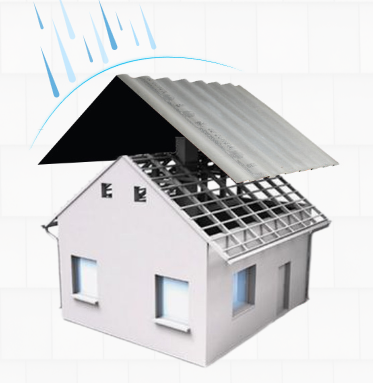
Pitched roofs are designed to effectively shed heavy snowfall and monsoon rains, preventing water and snow build-up, which can lead to leaks and structural damage. The slope of pitched roofs also enhances ventilation and thermal insulation, helping to keep homes cooler during hot summers and warmer in cold winters. Beyond their functional advantages, pitched roofs are a traditional architectural feature in India, adding aesthetic charm and cultural significance. They reflect a blend of heritage and practicality in residential design.

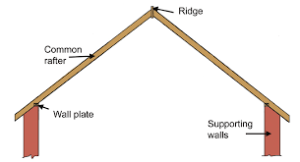
What is a sloping roof or Pitched roof?

Pitched roof or sloping roof is one that has an angle of inclination greater than 10° with respect to horizontal.


SLOPING ROOF


Why Cement Sheet Is Right Choice?

Dead Weight: – 

Fibre cement roofing sheet have dead weight around 11-13kg compare to other roofing material. Dead weight of a cement roof ensures it remains securely in place during heavy rain and strong winds. This inherent stability makes cement roofs ideal for pitched structures, as they are less likely to be lifted or displaced by severe weather conditions.

Weather Resistant: –

A pitched roof with a cement sheet covering offers exceptional weather resistance, thanks to its natural slope that facilitates efficient water runoff. Additionally, many cement roof comes with a special water-resistant coating, ensuring superior protection against leaks and water damage. They are also resistant to rot, fungi, and termites, making them a long-lasting roofing option. This combination of design and material makes it an ideal choice for enduring harsh weather conditions while maintaining structural integrity and longevity.

Aesthetic Flexibility: –

Your home’s visual appeal can be enhanced by adding a designer ceiling, which is made possible by a sloped roof. Many roofing systems offer a seamless integration of style and functionality with built-in hardwood designer ceilings. Through this combination, homeowners can enhance their interior spaces with a hint of elegance and character while reaping the benefits of a pitched roof.

Zero Maintenance: –

A pitched roof with cement sheets requires zero maintenance, thanks to its durable materials and efficient design. The natural slope ensures effective water runoff, while the robust cement sheets resist weathering, pests, and fire. This combination not only enhances the roof’s longevity but also minimizes the need for maintenance.

Cost Effective: –

Cost of cement sheet is low compare to other alternative roofing material.  Also this sheets are known for their long lifespan and resistance to weathering, pests, and fire, reducing the need for replacements.  This all properties making cement roof a practical choice for homeowners looking to maximize value and longevity in their roofing investment.

Conclusion

Fibre cement roofs are an excellent choice for pitched roofs due to their durability, weather resistance, fire safety, cost-effectiveness, and environmental benefits. They offer long-term reliability and protection, making them a practical and sustainable roofing solution for both residential and commercial buildings. Choosing a fibre cement roof ensures that you get a robust, low-maintenance, and aesthetically pleasing roof that stands the test of time.

adminfcpma No Comments

Is Chrysotile Asbestos Fibre Cement Roofing Sheet Safe for You?

Is Chrysotile Asbestos Fibre Cement Roofing Sheet Safe for You?

What is Asbestos Fibre?

Asbestos refers to a group of naturally occurring fibrous silicate minerals. There are two main groups based on mineral composition. Serpentine and amphibole asbestos.

Serpentine asbestos:

  • Chrysotile: Also known as white asbestos, chrysotile fibres are curly and flexible. This is the most commonly used form of asbestos.

Amphibole asbestos:

  • Crocidolite: Also known as blue asbestos. Crocidolite fibres are thin and straight. Its commercial use is totally banned in India and elsewhere.
  • Amosite: Also known as brown asbestos, it was commonly used in insulation materials.
  • Anthophyllite: Anthophyllite is formed by regional metamorphism of ultrabasic rocks. Because its fibres are brittle and have low tensile strength, this asbestos is not commonly used commercially. It is less common than other types of asbestos.
  • Tremolite: Tremolite fibres are known for their brittle nature and are often found contaminating other minerals. It is not used commercially.
  • Actinolite: Actinolite fibres are similar to tremolite and are not widely used commercially.

Of all the types of asbestos, chrysotile can be used safely under controlled conditions in the manufacture of A C Products.

fibre cement sheets

Fibre Cement Roofing Sheet: –

Fibre cement roofing sheets are durable building material manufactured using Portland cement, Chrysotile fibres and some additives.  They have been used in India for over 80 years, showcasing their durability and reliability. These sheets are commonly employed for roofing in warehouses, cattle farms, poultry farms, dairy, factories, low-cost housing and practically any structure that needs a roof.

Fibre cement roofing sheets are considered safe and economical for several reasons:-

Durability:-

  • Fibre cement roofing sheet are fully strong and durable, they can withstand harsh weather conditions, such as heavy rains, wind, UV Radiation and hail.  Their key elements and robust manufacturing process, ensure that the structure has no risk of cracking or shrinkage due to thermal movement.
  • Unlike other roofing materials (such as metal), fibre cement roofing sheet do not rust, and it is immune to fire or chemical attack, so there is no need to worry about expected damage to your fibre cement roofing sheets.

Fire Resistant

  • Fibre cement roofing sheets are inherently fire-resistant. Unlike other roofing materials, fibre cement sheets do not contribute to the spread of flames, making them the preferred choice for roofing in wildfire-prone areas or areas where fire safety is a concern.

No / Zero Maintenance:

  • Fibre cement roofing sheets are known for their durability, strength and resistance to damage. They do not crumble or break into smaller particles when subjected to pressure, abrasion, or other forces.
  • These sheets are resistant to pests like termites and rot caused by moisture, they can withstand various weather conditions such as rain, wind, extreme temperatures or UV Radiation. They do not degrade over time, so there is chance of maintenance required is zero.

Sound Insulation

  • Fibre cement roof provides a good level of sound insulation due to their composition and design. The cementitious matrix, chrysotile fibre and additives offer a solid barrier that can absorb and disperse the sound energy, reducing the overall noise level and keeping a quieter indoor environment during heavy rainfall.

Vapor Permeability

  • Fibre cement roofing sheet have zero vapour permeability, meaning they restrict the passage of moisture vapour through the material. These sheets are also able to prevent condensation and humidity, helping to protect the underlying structure from water damage.

Long lifespan

  • Fibre cement roofing sheets are engineered for endurance. Their exceptional properties like weather resistance, fire resistance, and Zero maintenance requirements enable fibre cement sheets to last for more than 50 years. This makes fibre cement roof an ideal choice for consumers seeking a roof that last a lifetime.

Economical

  • Fibre cement roofing sheets are highly economical compared to other traditional roofing materials. Its reasonable initial cost, long life span, and zero maintenance help consumers save time and money in the long run.

Overall, fibre cement roofing sheets are a smart investment for consumers, offering both effective roofing solutions and financial savings.