

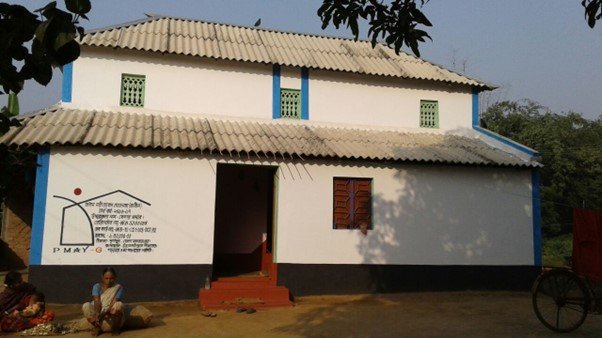
How Fibre Cement Roofing Contributes to the Indian Economy
Fibre cement roofing, a widely used building material in India, plays a significant role in the country’s economic landscape. Its impact extends across multiple sectors, including employment, industrial growth, rural development, infrastructure, and sustainability.
This blog explores the various ways in which fibre cement roofing contributes to the Indian economy, making it a vital component in the nation’s construction industry.
- Job Creation and Employment
Fibre cement roofing significantly boosts the Indian economy by creating jobs. With an industry size of INR 8,000 crore+, it provides direct and indirect employment to over 300,000+ people across various sectors. This robust job market is essential for supporting livelihoods and enhancing the well-being of communities throughout India.
2. Support for the Construction Industry
Construction sector is a vital pillar of India’s economy and fibre cement roofing is a key material used in a wide range of building projects. Whether it’s home, commercial buildings or complex, large scale-infrastructure, resorts etc, fibre cement roofing sheet used everywhere and it offers numerous advantages:
- Affordability: Fibre cement roofing sheets are cost-effective compared to metal, clay tiles, and concrete, addressing the housing needs of India’s growing population, particularly in rural and low-income areas.
- Durability: They are resistant to fire, water, pests, and impact, requiring no maintenance, which saves costs for homeowners and developers.
Versatility: Suitable for both sloped and flat roofs, as well as compound walls, ensuring consistent demand across various construction projects.

- Boost to Rural Development
Fibre cement roofing is a popular choice in rural India for affordable homes, poultry shelters, animal shelters, and community buildings. Its affordability, durability, and ease of installation make it well-suited to regions with limited access to resources.
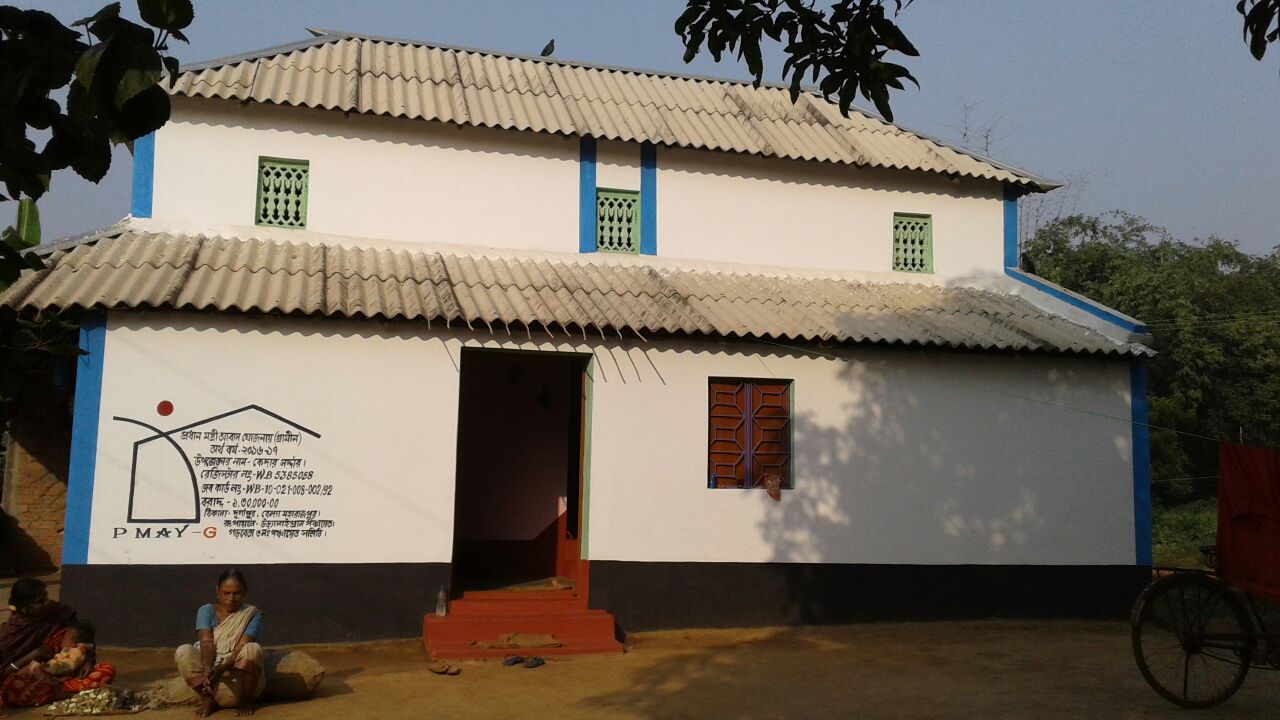
- Affordable Housing Solutions: It plays a crucial role in programs like Pradhan Mantri Awas Yojana (PMAY), helping meet rural housing demand and improving living standards for millions.
- Agricultural Infrastructure: Widely used for cattle sheds and storage units, fibre cement roofing protects crops and livestock. Its ventilation capabilities enhance airflow while providing insulation and soundproofing.
Community Infrastructure: Fibre cement roofing is commonly used in schools, hospitals, and community centers, supporting rural growth and enhancing the quality of life.

(https://prd.wb.gov.in/img/PMAYGinner2.jpeg)
- 4. Growth of the Manufacturing Sector
India is one of the world’s largest producers of fibre cement products. The manufacturing of fibre cement roofing sheets supports the growth of the cement and building materials industries, further enhancing their contribution to the economy.
- Raw Material Demand: The production of fibre cement sheets requires substantial amounts of cement, sand, fly ash, and fibres, boosting demand and supporting related industries.
- Technological Advancements: The fibre cement industry in India is advancing with technological innovations, including automation, that enhance production efficiency and product quality. Making the industry more competitive and facilitating exports to neighboring countries.
- Energy Efficient: – Producing a Fibre Cement (FC) sheet consumes only 2 to 4 kWh per square meter, significantly lower than the 20 to 35 kWh required for a steel sheet. This stark difference in energy usage highlights how FC sheets contribute to energy conservation. By opting for FC sheets, we can help the country become more energy-efficient, reducing overall consumption and supporting sustainable development.
As the fibre cement roofing industry expands and modernizes, it strengthens India’s manufacturing base and boosts the country’s industrial output.
- Government Initiatives and Policy Support
The Indian government has recognized the role of the building materials sector, including fibre cement roofing, in driving economic progress. Several government initiatives and policies have supported the growth of the fibre cement industry:
- Affordable Housing Schemes: Government initiatives like PMAY have increased the demand for low-cost, durable roofing solutions, providing a boost to the fibre cement sector.
- Smart Cities Mission: This initiative focuses on sustainable and energy-efficient urban development, positioning fibre cement roofing as a key player in these projects.
- Infrastructure Development: Investment in infrastructure continues to fuel demand for fibre cement products in industrial and commercial projects, benefiting from the expanded construction activities.

Conclusion
Fibre cement roofing is a cornerstone of the Indian economy, driving job creation, supporting the construction industry, and advancing rural development. Known for its affordability, durability, and versatility, it is a vital material in India’s infrastructure growth. With the country’s focus on sustainable development and affordable housing, fibre cement roofing will continue to play a crucial role in the nation’s economic progress.