adminfcpma No Comments

What Is Asbestos Fibre

What Is Asbestos Fibre

Chrysotile fibre, commonly known as white Fibre, is a naturally occurring mineral found mostly in underground rock formations all over the World. Its commercial deposits are found in Canada, Brazil, Zimbabwe, Russia, China and to some extent in India too. Its high tensile strength, heat resistance, and chemical durability make it a vital component in Fibre Cement sheets and pipes. Unlike its banned counterparts from the Amphibole group, Chrysotile is considered safe when used under controlled conditions.

What is Chrysotile Fibre?

Chrysotile fibre belongs to the Serpentine mineral group and is extracted through mining and rock crushing. It has been widely used for decades in the construction industry due to its reinforcing properties and exceptional durability.

The Two Types of Fibre

Asbestos Fibre is a commercial term for six silicate minerals with fibrous crystal formations. These minerals fall into two distinct groups:

  1. Serpentine GroupChrysotile (White Fibre Cement)
    • The only variety currently in commercial use
    • Can be used safely under controlled conditions
    • Imported primarily from Russia, Kazakhstan, and Brazil
  2. Amphibole Group – Banned globally due to health risks
    • Amosite (Brown Fibre Cement)
    • Crocidolite (Blue Fibre Cement)
    • Tremolite, Actinolite, and Anthophyllite

Mining, production, and usage of the Amphibole variety have been prohibited worldwide due to their hazardous effects on health.

The Unique Properties of Chrysotile Fibre

Chrysotile fibre possesses outstanding thermal stability and very high tensile strength. It can withstand temperatures up to 1450°-1500°C (2580°-2670°F), comparable to volcanic lava. Its tensile strength surpasses that of steel, and it is flame-proof, rustproof, and has low electrical and thermal conductivity. These superior properties make it invaluable for construction and insulation materials

Applications of Chrysotile Fibre

Chrysotile Fibre Cement is valued for its superior reinforcing capabilities, making it an essential component in various industries. Some of its key applications include:

  • Construction: Used in Fibre Cement sheets, roofing, and insulation materials.
  • Automotive Industry: Found in brake linings, clutches, and gaskets.
  • Soundproofing: Used in acoustic insulation and vibration-damping materials

Chrysotile Fibre in Our Everyday Life

Fine fibres, invisible to the eye, naturally exist in the air and water across the globe. This means that people unknowingly inhale or ingest these fibres daily. Despite this, studies suggest that Chrysotile remains safe for human exposure under controlled use conditions.

Conclusion

Chrysotile fibre, with its remarkable strength and versatility, remains an essential material in modern construction. This can be used safely under controlled conditions at workplace and does not pose any health hazard to users of Chrysotile cement products.  While Amphibole Fibres Cement is are banned globally for commercial purpose, Chrysotile continues to be used safely, ensuring strong and durable infrastructure. Its continued presence in the industry reinforces its status as a magic mineral.
adminfcpma No Comments

Building a Greener Future: The Environmental Benefits of Using Fly Ash in Fibre Cement Roofing

Building a Greener Future: The Environmental Benefits of Using Fly Ash in Fibre Cement Roofing

In the world of construction, sustainability is no longer just a buzzword—it’s an urgent necessity. As industries strive to minimize their environmental impact, innovative practices are emerging that not only reduce waste but also enhance the durability and performance of construction materials. One such innovation is the incorporation of fly ash in cement roofing. By adopting sustainable construction methods, we can reduce our carbon footprint, conserve resources, and build resilient structures that meet current demands without compromising the future. Notably, in India, fly ash has been utilized in cement roofing sheets for the past two decades, highlighting the long-term benefits and viability of this sustainable approach.

In this blog, we will delves into the environmental benefits of using fly ash in cement roofing, transforming waste into a wonder.

What is Fly Ash?

Fly ash is a fine, powdery byproduct generated during the combustion of pulverized coal in thermal power plants. Composed primarily of silica, alumina, and iron, fly ash was once considered a waste material and disposed of in landfills, contributing significantly to environmental degradation. However, it has now emerged as a valuable resource material and an environmental savior. By repurposing fly ash in construction, particularly in cement and concrete production, we reduce landfill use, lower carbon emissions, and enhance the sustainability and durability of building materials.

Environmental Benefits of Using Fly Ash in Cement Roofing

  1. Waste Reduction

Utilizing fly ash in cement roofing significantly reduces waste by diverting this industrial by product from landfills. This practice not only mitigates the environmental hazards associated with fly ash disposal but also conserves landfill space, supporting the concept of a circular economy.

  1. Energy Efficiency

Incorporating fly ash into cement roof manufacturing reduces energy requirements by replacing a portion of the energy-intensive clinker. Fly ash eliminates the need for the high-energy calcination process required for clinker and minimizes grinding since it is already fine. These factors lead to significant energy savings and a reduced carbon footprint in the production of cement roofing materials.

  1. Enhanced Durability

Fly ash is known for its pozzolanic properties, which improve the chemical reactions within the cement mixture, leading to stronger and more durable roofing material. It enhances the material’s resistance to cracking, shrinking, and water infiltration, meaning roofs last longer and require fewer repairs, reducing the resources and energy expended on maintenance and replacements.

  1. Resource Conservation

Integrating fly ash into cement roof manufacturing reduces the need for raw materials. This helps preserve natural habitats and reduces the energy consumption associated with mining and processing traditional cement ingredients.

  1. Cost-Effectiveness

Fly ash is more affordable than traditional cement components, which can lower the overall cost of cement roofing. This cost benefit makes sustainable building practices more accessible to a broader range of projects.

Conclusion

Incorporating fly ash into cement roofing is a powerful step towards environmental sustainability. This practice reduces landfill waste, conserves natural resources, and decreases the carbon footprint of construction projects. Choosing fly ash-enhanced cement roofing is not just an investment in a durable and resilient roof, but also a commitment to a greener, more sustainable future. Let’s continue to turn waste into wonder and build a better world together.

adminfcpma No Comments

Sustainable Roofing: The Environmental Benefits of Fibre Cement Sheets

Sustainable Roofing: The Environmental Benefits of Fibre Cement Sheets

When constructing a house or building, roofing is a crucial element that greatly affects the overall sustainability and environmental footprint of the structure. Selecting the right roofing solution is vital for enhancing energy efficiency, minimizing waste, and promoting a healthier environment.

Understanding Fibre Cement Roofing Sheets

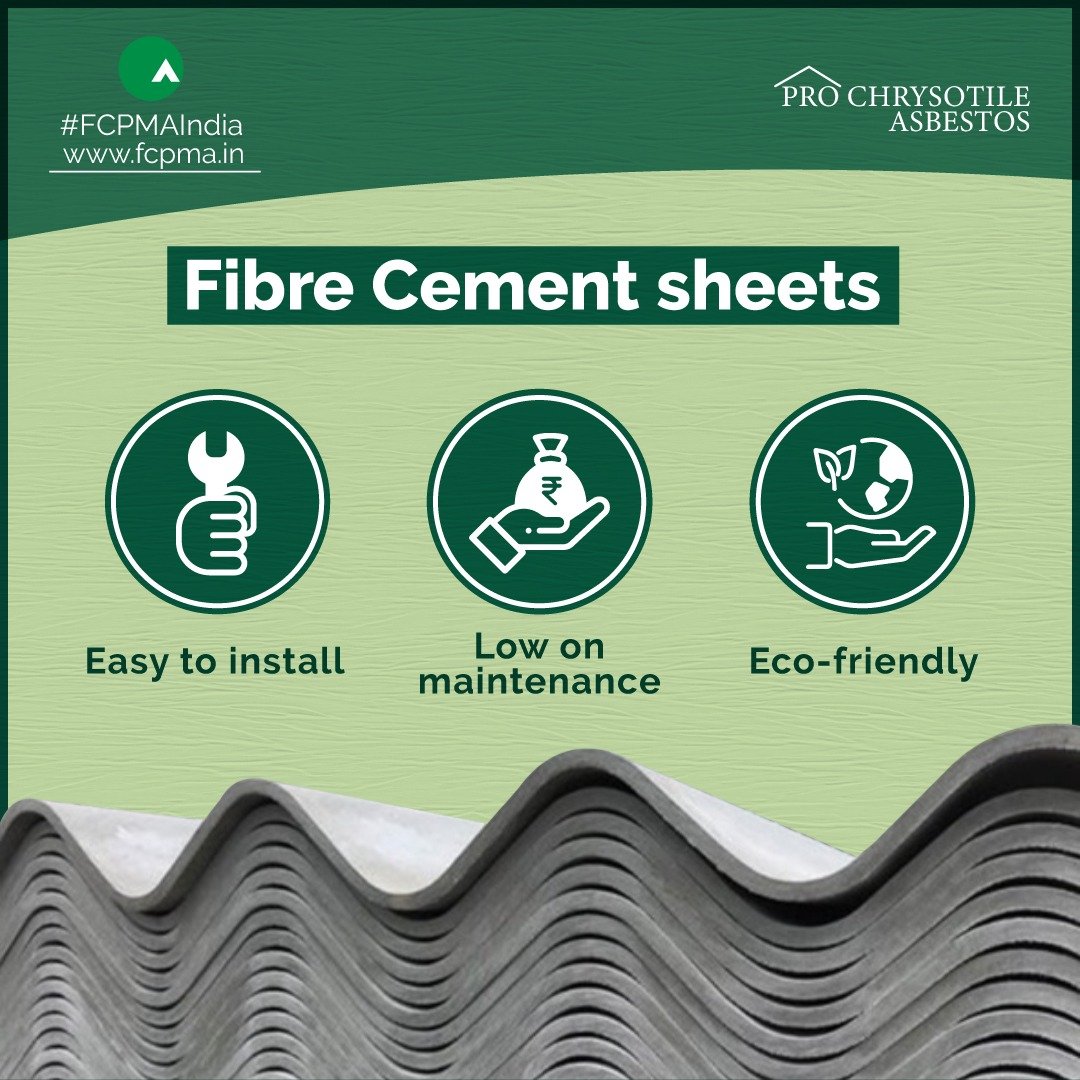
Fibre cement sheet is a composite material made from cement, chrysotile fibre, fly ash, and other components. This combination creates a robust and resilient product suitable for diverse roofing applications.

fibre cement roofing sheet

Environmental Benefits

  1. Incorporation of Fly Ash
  • Waste Diversion: Fly ash, a byproduct of coal combustion in thermal power plants, consists mainly of silicon dioxide, aluminium oxide, and calcium oxide. Historically, fly ash was disposed of in landfills, causing environmental pollution. Utilizing fly ash in fibre cement roofing diverts significant amounts of waste from landfills, supporting circular economy principles by promoting efficient resource use and reducing dependency on raw materials.
  • Regulatory Support: The Ministry of Environment, Forest and Climate Change permits the use of fly ash in cement products, promoting sustainable development.
  1. Longevity and Durability

Fibre cement roofs are known for their exceptional longevity and durability, often lasting up to 50 years or more. A longer lifespan means fewer replacements over time, conserving resources and reducing waste.

  1. Energy Efficiency

The thermal properties of fibre cement roofing help maintain indoor temperatures. With a good Solar Reflectance Index (SRI) value, these roofs reflect solar radiation away from the building, reducing the need for heating and cooling, lowering energy consumption, and reducing greenhouse gas emissions.

  1. Sustainable Manufacturing

Fibre cement roofs are manufactured using sustainable practices, including energy-efficient manufacturing processes, recycled materials, and local vendor sourcing to reduce transportation emissions.

Fibre cement products require only one-fourth to one-sixth of the energy compared to metal sheets and pipes, resulting in lower greenhouse gas emissions and a smaller carbon footprint.

  1. Zero Maintenance

Once properly installed, fibre cement roofs require no maintenance. They are resistant to rot, pests, and harsh weather conditions, saving repair costs and reducing the environmental impact associated with ongoing upkeep.

Conclusion

Choosing fibre sheets for roofing is a significant step toward sustainable building practices. Its durability, low maintenance, energy efficiency, recyclability, and sustainable manufacturing processes make it an eco-friendly option that benefits both the environment and users. By opting for modern fibre cement roofing, you are investing in a high-quality, long-lasting roof and contributing to a more sustainable future.