adminfcpma No Comments

How Chrysotile Fibre Cement Roofing Contributes to Structural Integrity and Safety?

How Chrysotile Fibre Cement Roofing Contributes to Structural Integrity and Safety?

What is Chrysotile Fibre?

Chrysotile fibre is a type of asbestos from the serpentine mineral group, it’s a naturally occurring mineral known for its heat resistance, low thermal conductivity, durability, and cost-effectiveness. The most common use for chrysotile fibre is within corrugated cement roof sheet and cement pipes etc.

Chrysotile fibre cement roofing has been used for its strength and durability, contributing to both structural integrity and safety in several ways:

  1. High Tensile Strength:
  • Chrysotile fibre consisting of magnesium silicate has a unique crystalline structure where silicon-oxygen tetrahedra are interconnected by magnesium ions. This formation creates a strong and stable lattice, giving the fibres exceptional tensile strength and flexibility. This strength is a key factor in the durability of roofing sheets, making them resistant to cracking, breaking, or deforming under stress, thereby maintaining long-lasting structural integrity.
  1. Fire Resistance:
  • Chrysotile fibre’s fire resistance is attributed to its high melting point and inorganic nature, which prevent it from igniting or burning when exposed to heat. Its stable crystalline structure ensures that the fibres remain intact even under extreme temperatures, making it highly effective for fireproofing and insulation. This fire-resistant quality minimizes the risk of roof ignition during external fires, thereby safeguarding the structure and its occupants.
  1. Weather Resistance:
  • Chrysotile fibre is weather resistant due to its chemical stability, non-porous nature, and resistance to UV radiation. These properties prevent degradation from moisture, sunlight, and other environmental factors. Additionally, its flexibility and strength enable it to withstand temperature fluctuations and weather-related stresses, making it durable in outdoor applications. This resilience helps the roof retain its structural integrity over time, minimizing deterioration or weakening caused by the elements.
  1. Insulation Properties:
  • Chrysotile fibre is renowned for its insulation properties due to its low thermal conductivity and high heat resistance. The fibrous structure of chrysotile creates a network that traps air, which effectively reduces heat transfer, making it an excellent thermal insulator. Additionally, its dense, flexible nature helps in sound absorption, providing good acoustic insulation. These properties make chrysotile effective in maintaining temperature and reducing noise, enhancing comfort in buildings.
  1. Cost-Effective:
  • The long lifespan and durability of chrysotile fibre cement roofing make it a cost-effective solution, providing safety and structural integrity without frequent investment in repairs or replacements.

By combining strength, fire resistance, weather resistance, and longevity, chrysotile fibre cement roofing significantly contributes to the structural integrity and safety of buildings.
adminfcpma No Comments

WHY CHOOSE FIBRE CEMENT SHEET FOR YOUR SLOPING ROOF?

Have you ever considered why roof designs vary worldwide? Roofs primarily protect inhabitants from different weather conditions, leading to regional variations in design. In snowy regions, roofs are crafted to shed snow efficiently, while in hot climates, they focus on minimizing heat absorption.

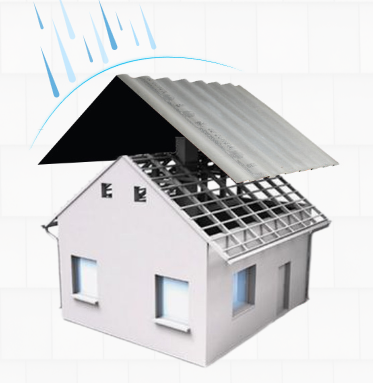
Pitched roofs are designed to effectively shed heavy snowfall and monsoon rains, preventing water and snow build-up, which can lead to leaks and structural damage. The slope of pitched roofs also enhances ventilation and thermal insulation, helping to keep homes cooler during hot summers and warmer in cold winters. Beyond their functional advantages, pitched roofs are a traditional architectural feature in India, adding aesthetic charm and cultural significance. They reflect a blend of heritage and practicality in residential design.

What is a sloping roof or Pitched roof?

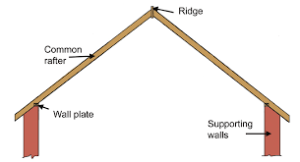
Pitched roof or sloping roof is one that has an angle of inclination greater than 10° with respect to horizontal.


SLOPING ROOF


Why Cement Sheet Is Right Choice?

Dead Weight: – 

Fibre cement roofing sheet have dead weight around 11-13kg compare to other roofing material. Dead weight of a cement roof ensures it remains securely in place during heavy rain and strong winds. This inherent stability makes cement roofs ideal for pitched structures, as they are less likely to be lifted or displaced by severe weather conditions.

Weather Resistant: –

A pitched roof with a cement sheet covering offers exceptional weather resistance, thanks to its natural slope that facilitates efficient water runoff. Additionally, many cement roof comes with a special water-resistant coating, ensuring superior protection against leaks and water damage. They are also resistant to rot, fungi, and termites, making them a long-lasting roofing option. This combination of design and material makes it an ideal choice for enduring harsh weather conditions while maintaining structural integrity and longevity.

Aesthetic Flexibility: –

Your home’s visual appeal can be enhanced by adding a designer ceiling, which is made possible by a sloped roof. Many roofing systems offer a seamless integration of style and functionality with built-in hardwood designer ceilings. Through this combination, homeowners can enhance their interior spaces with a hint of elegance and character while reaping the benefits of a pitched roof.

Zero Maintenance: –

A pitched roof with cement sheets requires zero maintenance, thanks to its durable materials and efficient design. The natural slope ensures effective water runoff, while the robust cement sheets resist weathering, pests, and fire. This combination not only enhances the roof’s longevity but also minimizes the need for maintenance.

Cost Effective: –

Cost of cement sheet is low compare to other alternative roofing material.  Also this sheets are known for their long lifespan and resistance to weathering, pests, and fire, reducing the need for replacements.  This all properties making cement roof a practical choice for homeowners looking to maximize value and longevity in their roofing investment.

Conclusion

Fibre cement roofs are an excellent choice for pitched roofs due to their durability, weather resistance, fire safety, cost-effectiveness, and environmental benefits. They offer long-term reliability and protection, making them a practical and sustainable roofing solution for both residential and commercial buildings. Choosing a fibre cement roof ensures that you get a robust, low-maintenance, and aesthetically pleasing roof that stands the test of time.