

Energy Efficiency: How Chrysotile Asbestos Fibre Cement Roofs Help Regulate Temperature
Cement fibre roofing sheets, made from high-quality chrysotile fibre, Man made fibre like PVA , fly ash, and cement, are an excellent choice for temperature regulation. The durable chrysotile fibres enhance energy efficiency, helping maintain a comfortable indoor climate while reducing energy consumption. This blog explores how these roofs contribute to a more energy-efficient building.
- Thermal Insulation Properties
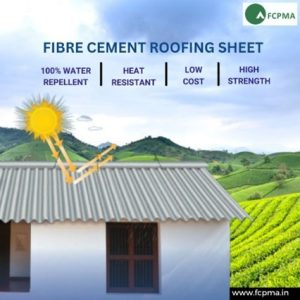
Chrysotile asbestos fibre cement roofs have low thermal conductivity, meaning they resist heat transfer. In hot weather, they keep interiors cooler by blocking heat, while in colder conditions, they retain warmth, reducing the need for extra heating.
- Heat Reflectivity
Chrysotile asbestos fibre cement roofs have a high SRI value, effectively reflecting solar energy and reducing heat absorption. This helps lower the heat load on homes in hot climates, reducing the need for air conditioning.
- Durability and Longevity
The combination of chrysotile asbestos and fibre cement creates a durable, long-lasting roofing material that withstands high temperatures without degrading. With no need for maintenance or repair, these roofs offer energy efficiency for decades, making them a sustainable option for residential and commercial buildings.
- Environmental Impact
Roofing with high SRI value reduces energy demand for heating and cooling, lowering greenhouse gas emissions by cutting fossil fuel use. Its long lifespan also minimizes the environmental impact by reducing the need for frequent replacements and roofing waste.
- Energy Efficiency in Production
The production of a Fibre Cement (FC) sheet requires only 2 to 4 kWh per square meter, significantly less than the 20 to 35 kWh needed for steel sheets. This reduction in energy use during manufacturing highlights the environmental advantages of FC sheets. By opting for FC roofing, builders can minimize their energy footprint and contribute to sustainable development by decreasing overall energy consumption.
Conclusion
Chrysotile asbestos fibre cement roofs effectively regulate temperature and enhance energy efficiency in buildings. Their thermal insulation, high reflectivity, durability, and moisture resistance make them ideal for energy-conscious consumers. By choosing these roofs, building owners can achieve a comfortable indoor environment while reducing energy costs and minimizing their environmental impact.